woku: The Replacement of Surveys to Understand Your Customers

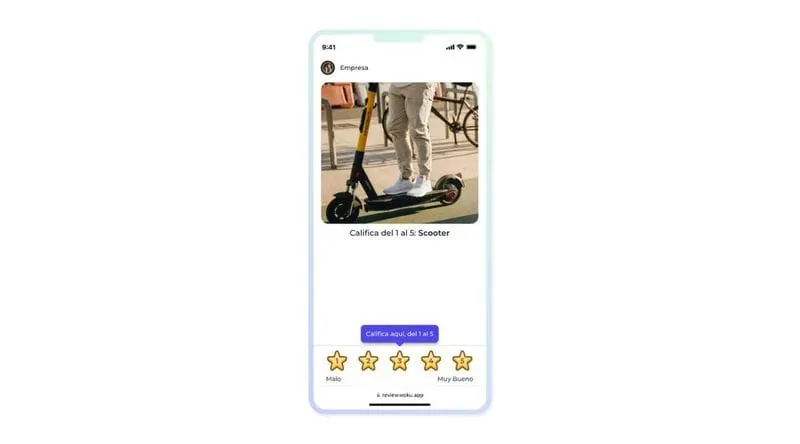
Discover how woku replaces traditional surveys with an innovative tool that captures the opinion of your customers in real time, without interrupting their experience. With just an image or video, your customers can rate and leave a review in less than two minutes. Efficient, fast and hassle-free.
I want to tell you how and why woku was born. Without this tool, woku simply wouldn't exist. From the start, our focus has been clear: helping companies understand their customers. We know that getting customer feedback is key to improvement and growth, but traditional surveys have become obsolete. Who wants to fill out long and tedious forms? This is where woku comes in, a tool designed to capture the opinion of your customers in such a simple and effective way that it doesn't even take them out of the experience.

Why are we abandoning long surveys?
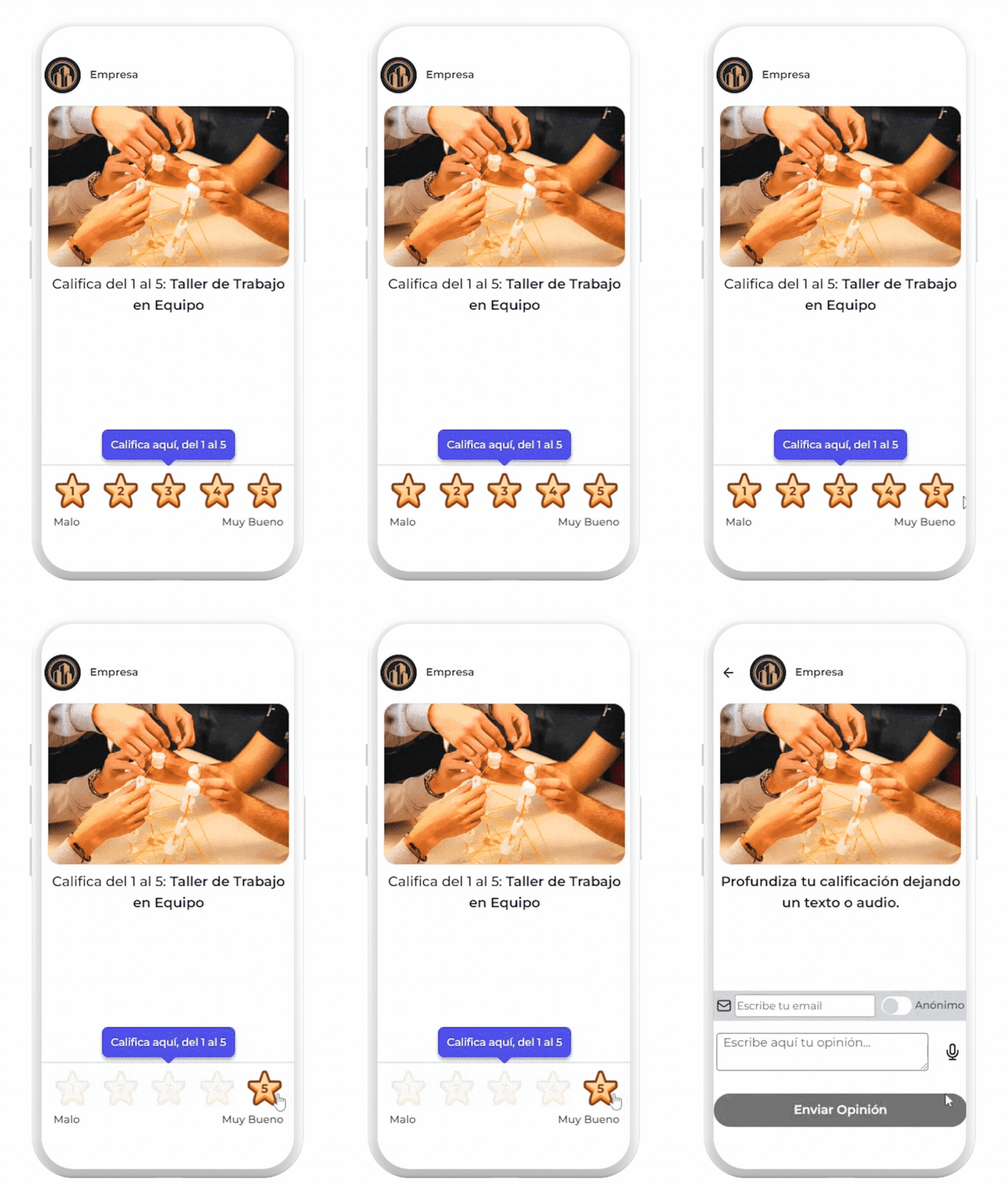
Rolstad, Adler and Rydén (2011), analyzed how the length of the surveys affects both the response rate and the quality of the data. It's no surprise that shorter surveys get better results. So we decided to simplify everything: instead of having your customers face a long series of questions, we ask them to rate from 1 to 5 stars and leave us their opinion in text or audio. All in less than two minutes.↑
Capturing feedback at just the right time†
One of the keys to improving the customer experience is getting their feedback just when they're most engaged. A study by Greve (2014) helped us understand the importance of capturing these opinions in real time. As customers interact with your product or service, they're much more willing to share their experience. Instead of waiting for it all to be over, our tool is inserted directly into the experience, allowing them to share their opinion without interrupting their flow.
Identifying the moments of truth in the customer's journey†
Our goal is for customers to have their say at the most important moments in their experience, the famous “moments of truth”. Lemon and Verhoef (2016) describe how these critical moments in the customer journey are key opportunities for obtaining valuable information. So we designed our tool so that you can integrate it into any part of the customer journey, whether it's at the end of a purchase, during the delivery of a service, or any other point you consider crucial.
The technology behind it: QR, simple links, and integrations with your app*
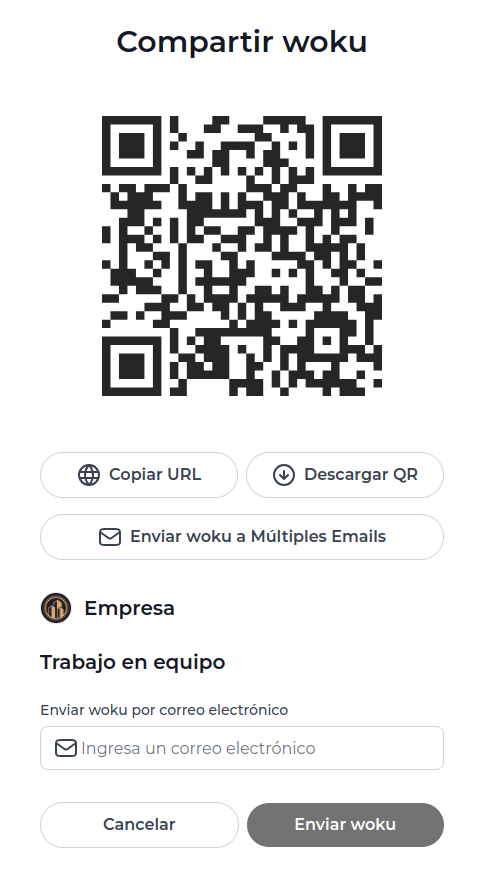
Finally, we wanted to make this tool extremely accessible. According to Pantano and Priporas (2016), mobile technologies, such as QR codes, greatly improve the customer experience by offering instant interactions. So we decided that woku is not only available through a direct link or a QR code that you can insert in emails, applications or physical points, but we also integrate our tool directly into your applications through our API. This means that your customers can give their opinion without having to leave the application, keeping them immersed in the experience and providing feedback in real time. Simple, effective, and seamless.
Fewer questions, more quality†
At woku, we believe that feedback doesn't have to be complicated. With just an image or video, we can capture what customers think of your products, services or processes. It's not about overwhelming them with questions, but about giving them an opportunity to share what they're feeling at the right time. And best of all: we don't interrupt the experience, we improve it.
References -
- Greve, G. (2014). The moderating effect of customer engagement on the brand image—brand loyalty relationship. Procedia - Social and Behavioral Sciences, 148, 203-210.
- Lemon, K.N., & Verhoef, P.C. (2016). Understanding customer experience throughout the customer journey. Journal of Marketing, 80 (6), 69-96.
- Pantano, E., & Priporas, C.V. (2016). The effect of mobile retailing on consumers' purchasing experiences: A dynamic perspective. Computers in Human Behavior, 61, 548-555.
- Rolstad, S., Adler, J., & Rydén, A. (2011). Response burden and questionnaire length: Is shorter better? A review and meta-analysis. Value in Health, 14 (8), 1101—1108.