What is a woku?

Discover a tool that simplifies customer experience management.
On the eve of New Year 2023, after the closure of a startup that I co-founded with Paula, an idea was born that would change the way we collect customer feedback. This is the story of woku, a tool that simplifies and accelerates the management of customer reviews.
A Spark at Christmas*
As the world prepared for the Christmas celebrations, Paula and I faced a crucial moment. The failure of our previous startup, far from discouraging us, ignited a new flame of inspiration. In a matter of days, we had a name, a domain, a logo, and a clear vision: to create the fastest and easiest way to collect feedback.
The Seed of Innovation▲
The genesis of woku goes back to a simple but powerful observation by Paula: “I'm burdened by the polls”. This frustration, combined with the wise advice of an AI researcher we greatly admire, John Atkinson-Abutridy, to use open fields for free opinions, laid the foundation for our mission.
A Visual Approach to a Visual World
Paula, with her keen visual sense, proposed a revolutionary concept:
“We shouldn't be asking questions. We should show a photo.”
This idea, in my opinion, is very much in line with social media trends. And social networks are a daily bread in today's society.
From “Benefit” to “Woku”: The Power of a Name
woku was initially called “Benefit”, inspired by the economic concept of utility and how services and products deliver a benefit. However, after introducing him to friends and receiving confused looks, Paula suggested “woku”. Although I was hesitant at first, the catchy and unique name stuck, perfectly encapsulating our vision of simplicity and effectiveness.↻
Plus, woku is easy to remember. And a lot of times he was confused with Goku, which didn't seem bad to me.

What is a woku?
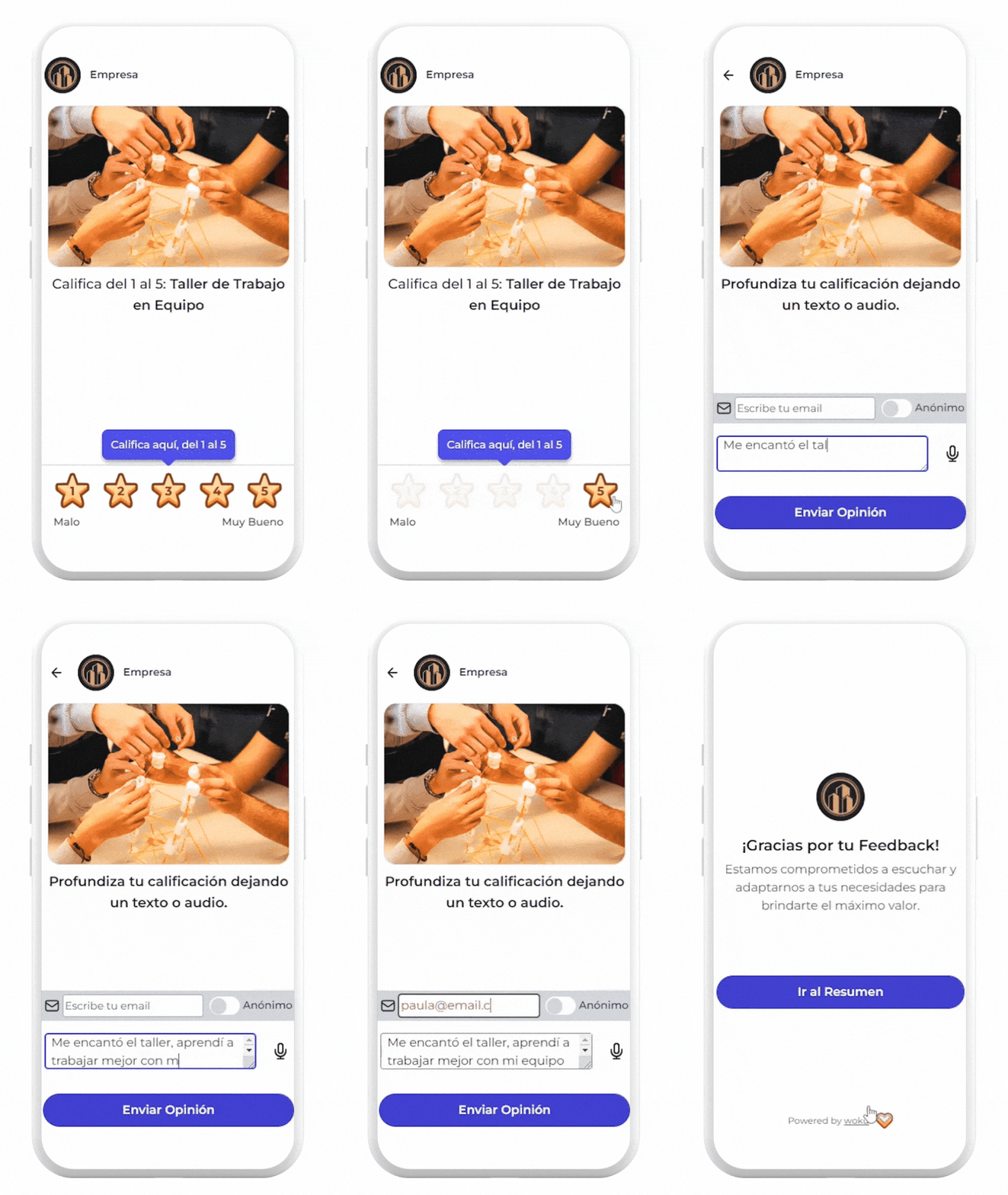
A woku is the visual representation of a product, service or process, accompanied by a name. Customers interact with the woku, rating it from 1 to 5 stars and leaving a review in text or audio. Simple, fast, and effective.↑
Validation: The test is in time
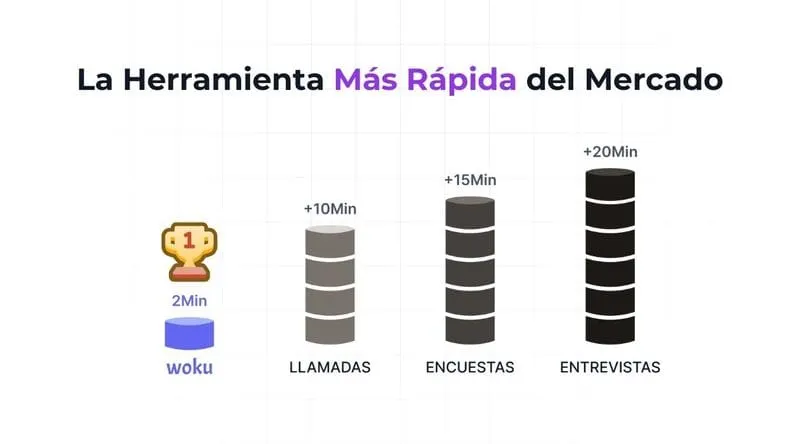
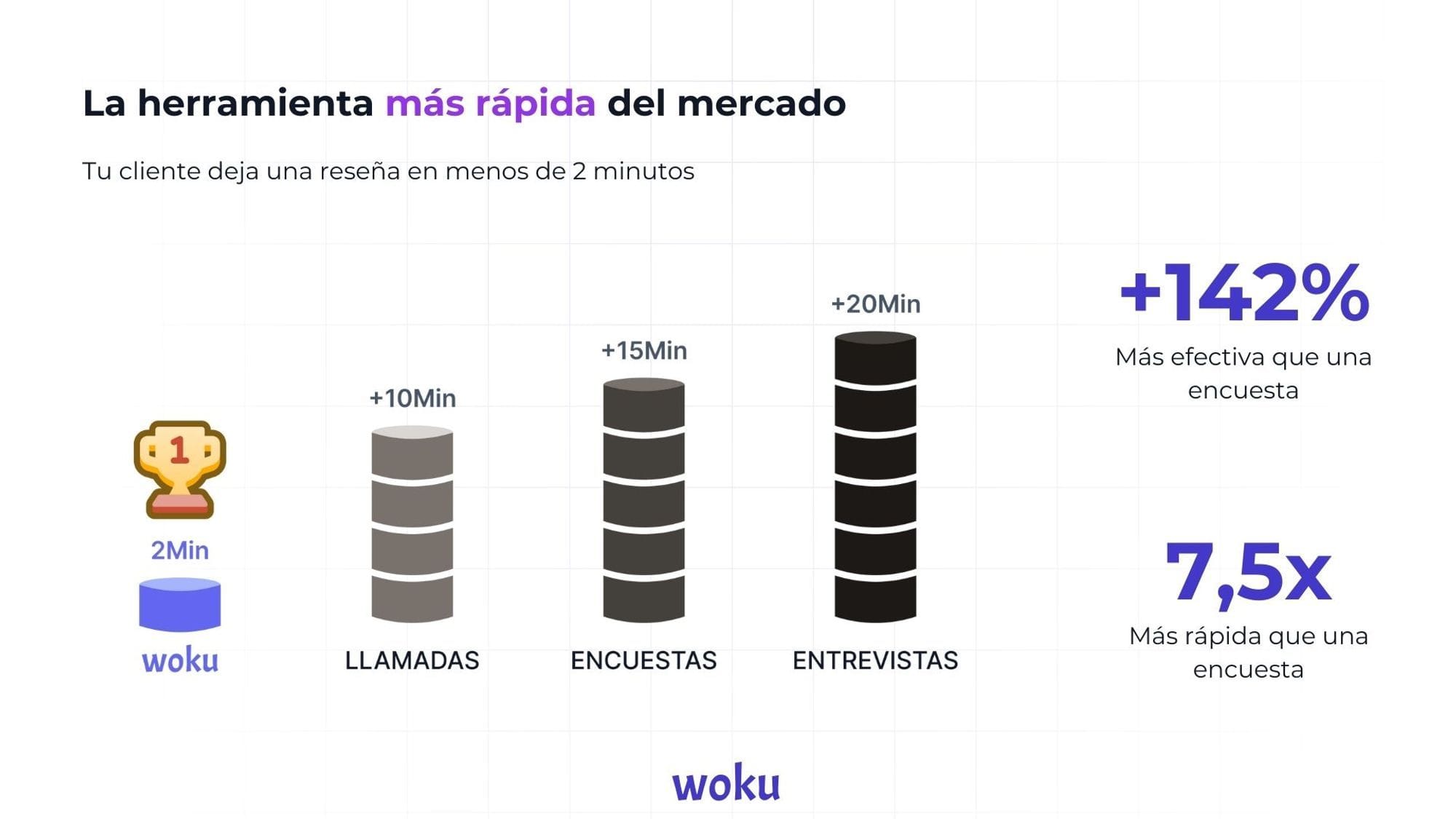
Our hypothesis was bold: this method would be significantly faster than traditional surveys. The tests confirmed our expectations: it took users less than two minutes to leave their feedback, compared to the 15 minutes or more that conventional surveys usually take.
Beyond the Perfect QuestionData
With woku, the approach changed. It was no longer a matter of asking the perfect questions, but of understanding the customer experience to insert wokus at crucial moments. In addition, due to the simple and fast nature of the tool, a woku doesn't abysmally interrupt the customer experience like a survey, so it can be applied on the spot. This strategy allows you to make adjustments, build customer loyalty and understand what they really value about your service.
‣ I recommend reading this post that I made on the basis of why it is important to ask for an opinion at the right time and not later: see the post.
Standardization: The Key to Multilevel Analysis↑
Unlike traditional surveys, which can vary greatly in their questions, scales, and approach, a woku always maintains its structure. This standardization facilitates a multilevel analysis, an idea that we developed thanks to the inspiration of Gonzalo del Río, Director of UCSC Business and one of our first clients.
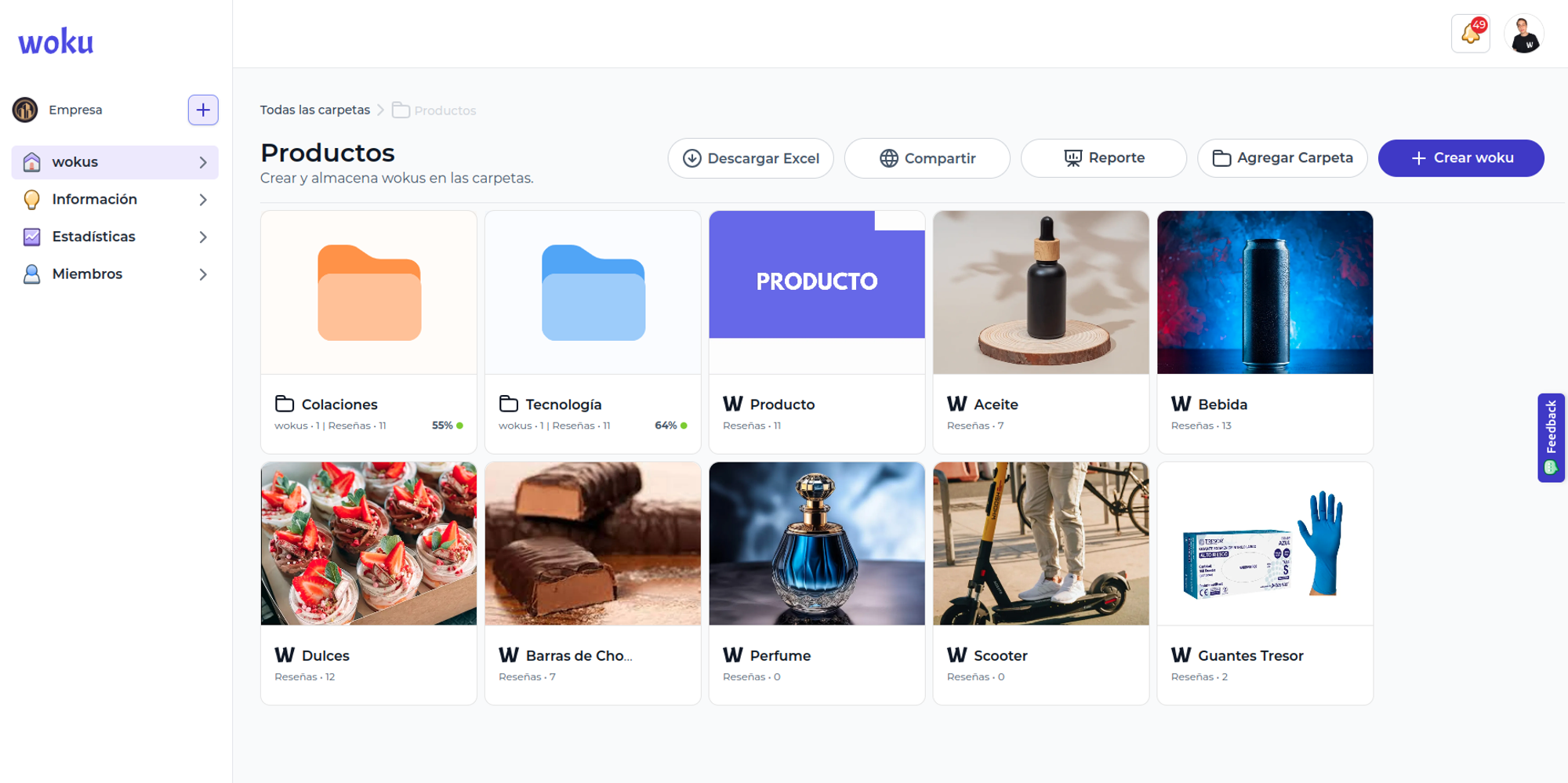
Multilevel analysis consists of grouping wokus into folders. A folder can represent a process, such as the development area, or a group of products. Within the folders, there can be more wokus and folders, which generates a tree-like structure for carrying out multiple analyses with a simple click.
The philosophy behind woku▲
As an engineer, I firmly believe that solutions should offer simplicity and speed to the user, while complexity remains in the hands of technology and the creative process. woku embodies this philosophy, providing an intuitive yet powerful tool for managing and improving the customer experience.
Looking to the future3
woku was born out of the need to simplify and speed up the collection of feedback. Today, understanding the customer and improving their experience can significantly move the revenue needle. According to Forrester (2021), minimally improving the customer experience can generate tens of millions of dollars in revenue by reducing customer loss and increasing consumption.
References▲
- Forrester. (2021). Forrester's US 2021 Customer Experience Index Shows Companies That Revamped Experiences Excelled During The Pandemic. Forrester. https://www.forrester.com/press-newsroom/forresters-us-2021-customer-experience-index-shows-companies-that-revamped-experiences-excelled-during-the-pandemic/