I don't want you to learn woku. I want you to ask your AI

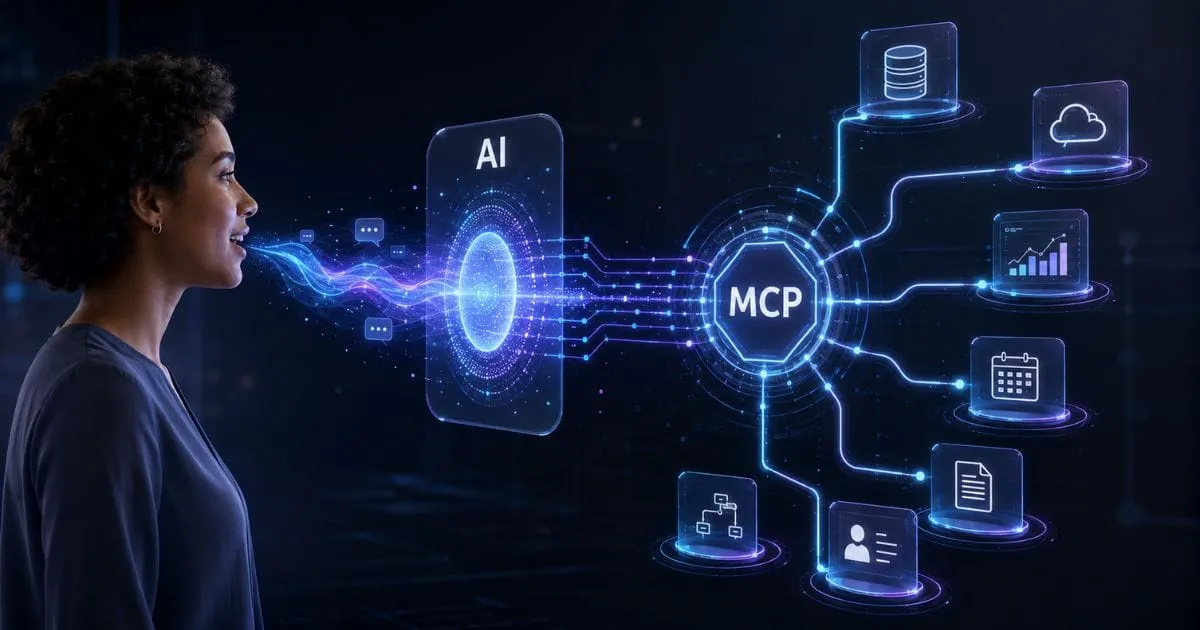
We built an MCP, a toolkit and SDKs in JavaScript and Python. The idea is simple: that you use woku from Claude, Cursor, ChatGPT or your own agents, without having to enter another panel.
A few months ago I wrote that programming had become a conversation, and that I wanted exactly that for woku: fewer buttons, more conversation, getting the hang of it quickly without struggling with the learning curve.
I was left hanging around with that idea. And I came to a slightly uncomfortable conclusion for someone who is dedicated to building an app: often, the best place to use woku is not woku.
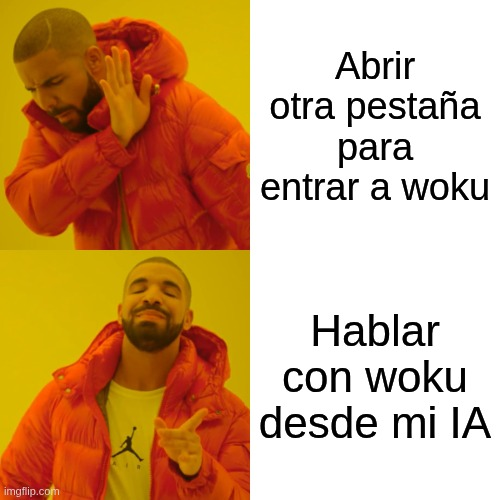
The panel was never the problem
For years we assumed something without question: that to use woku you had to enter woku. Open the tab, look for the button, remember the flow. And that's okay, the panel exists and we're making it more and more beautiful.
But something happened in the world: people stopped living in loose tabs and moved to their AI tools. Today there are teams that solve half a day talking with Claude, with Cursor, with ChatGPT or with an agent that they themselves set up. That's where they really work.
Then the question went by itself: if your day goes by inside your AI tool, why would we force you to leave there to ask Woku for something?
We shouldn't. So we set about building so you don't have to.
We opened three doors to Woku
It's not just one thing, it's three, because not everyone uses AI in the same way.
1. An MCP, to connect woku to your AI agent.
If you already talk to Claude (or any assistant who speaks MCP), you can now connect woku to him and ask him things in normal words. Behind it are 143 tools and a secure connection to your account: you authorize, you cut whenever you want. You say what you want to achieve, and woku does it: create an NPS, send a survey, review reviews, open a ticket, put together a report.
It's basically the part I promised in the previous post: to talk to woku as a human and to respond like a teammate who knows.
2. A toolkit, for those who build with AI.
If you are one of those who arm assistants or agents, we publish@wokuapp/ai-toolkit: a package that teaches your AI assistant to use woku well, without having to explain everything to him from scratch. You put woku on your agent and he's ready to work.
3. JavaScript and Python SDKs, for your development team.
And if you want to integrate woku into your own product, your backend or your custom agent, we have two official SDKs: @wokuapp/sdk for JavaScript and TypeScript, and for Python. woku Typed code, with all woku at hand: trackers, NPS, CSAT, CES, wokus, forms, flows, tickets, action plans, shipments. What you do in the panel, now you also do it from your code.
What does it feel like now
Grace isn't the list of features. Here's what you can say without opening anything:
- “create an NPS for returning customers and send it to me via WhatsApp”
- “show me what's going on with the Providencia branch reviews this week”
- “open a ticket every time you get negative feedback from weight machines”
- “put together an NPS report for the last month and explain to me what changed”
You talk to your AI. Woku does the trick. You review and decide. Without changing windows, without remembering where everything was.
And yes, for all plans. Including the free one
Here we made a deliberate decision: the API, the MCP and the SDKs are available in all plans, including the free one. We didn't want “connecting woku to your AI” to be a big luxury. If you're going to build on woku, we want you to be able to leave today, without asking for permission.
Why did we do it this way
We could have stayed calm by inserting a chat into woku and that's it. But that kept assuming that the center of the world is our app. And it's not. The center is where you already work.
I said it in the last post and I still believe it: the best interface is the one that doesn't require you to remember the software. It lets you talk like a human. An MCP, a toolkit and a couple of SDKs are, after all, the same idea as always, only carried to the end: that woku adapts to you, and not the other way around.
Listening in time and making a better decision shouldn't depend on you remembering to enter a tab. It should happen where you already are.