Surveys Aren't Enough: A Critique of the Traditional Approach to Understanding Your Customers

Find out why surveys are no longer enough to understand your customers. Learn how modern tools like woku transform real-time feedback and improve the customer experience. Evolve to more effective methods!
I'm once again throwing hate out of control at the polls.
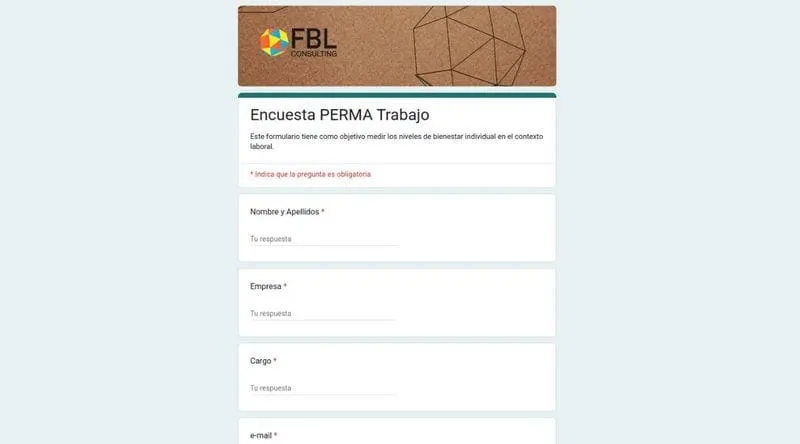
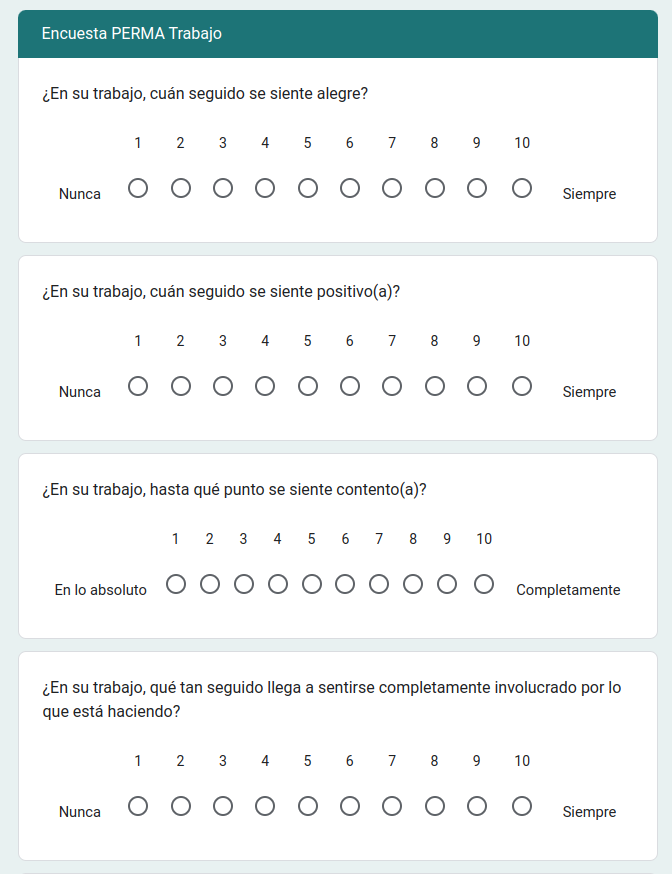
It's not something I say without knowledge of the facts. My scientific research in managing work happiness to build a model of structural equations to test the negative relationship between burnout and work happiness was fueled with surveys. In my professional career, I used surveys to measure happiness in the company where I worked. I created processes together with two great memorists from the University of Concepción to measure service quality with the SERVQUAL and SERVPERF models, and we also used surveys. To evaluate the performance of workers, as Director of Happiness, I also used surveys.÷
But at this point, you might think:
Diego must have been “annoying” from the surveys.3,4
Not really, but I saw that it created a lot of limitations when it came to understanding the general context or understanding what really mattered.
From science they help me to keep throwing hate at the polls. I'll rely on Holbrook, Krosnick, and Pfent (2008) to explain the reasons why surveys, while useful, may not be enough to truly understand customers.
Is survey fatigue real
In recent years, survey response rates have fallen dramatically. A study published by Stanford University and other research institutes found that, over a decade, response rates fell from an average of 70% to 30%. Why? Simple: customers are tired of being bombarded by surveys everywhere. From forms that appear after a purchase to emails asking for feedback, it's hard for people to commit to something that doesn't seem to have a visible impact on them.

“It's true. When I was in charge of managing people with more than 200 employees, people often just seeing a survey experienced immense boredom. To deal with this fatigue I always had a Bon or Bon to sweeten the moment, which helped a lot.
It's not just the quantity, it's the quality
Companies often think that increasing the number of responses will improve data quality, but this isn't always true. The effort to increase response rates can lead to lower quality data, such as hasty or incomplete responses. In many cases, attempts to convert rejections or extend the survey time only add more costs without a clear return on the quality of the information obtained.
When I was studying quality in a branch of the companies where I worked, we decided to extend the data capture period, the result was that we had to finish sooner than expected, as we obtained a lot of incomplete surveys.
Information Overload
In a world where companies seek to collect more and more data, the risk of “analysis paralysis” is high. Surveys, by generating large amounts of information, can lead to data overload. This makes it difficult for companies to make quick and effective decisions, which can cause the value of surveys to decrease if they are not processed efficiently.
At the time, due to the lack of technological tools to apply the surveys. First I had to pass the survey data by hand. After having so many surveys, the analysis took months. With a survey of 15 questions and more than 300 answers, you can get a lot of relevant information.↑
Obviously I understood that I couldn't continue with similar methods, so I decided to digitize the processes, but the surveys remained the same. While I no longer had to write the data in a table, I still needed to analyze it. The analysis time did not decrease.
More dynamic alternatives
Real-time analysis, through technologies such as artificial intelligence and the direct capture of customer reviews or experiences, is gaining ground. Solutions like woku make it possible not only to reduce the waiting time to obtain feedback, but also to process and analyze information more effectively. Not only does this improve the quality of decisions, but it also saves time and effort for your customers, who no longer have to answer endless questionnaires.↑
Hate and hate polls more, for a world without polls
While surveys will continue to play an important role in data collection (hopefully not for long), relying on them alone isn't enough. Companies need to evolve towards more agile and accurate methods to capture the opinions of their customers. woku offers an effective alternative that combines speed, advanced analysis and simplicity in data capture, transforming the experience of the customer and your employees into something more dynamic and actionable.
References
- Holbrook, A.L., Krosnick, J.A., & Pfent, A. (2008). The causes and consequences of response rates in surveys by the news media and government contractor survey research firms. Advances in telephone survey methodology, 499-528.