Inspiration from Japan: 4 Customer Experience Hits


Discover how 4 Japanese companies are revolutionizing customer experience (CX) with innovative strategies that combine tradition, technology and a deep focus on user needs.
I love Japanese culture and how they have revolutionized many aspects of quality and industry. That's why I decided to look for some examples of Japanese companies that care about the customer experience to share with you.
Hoshino Resorts OMO: Turning Every Trip Into an Adventure
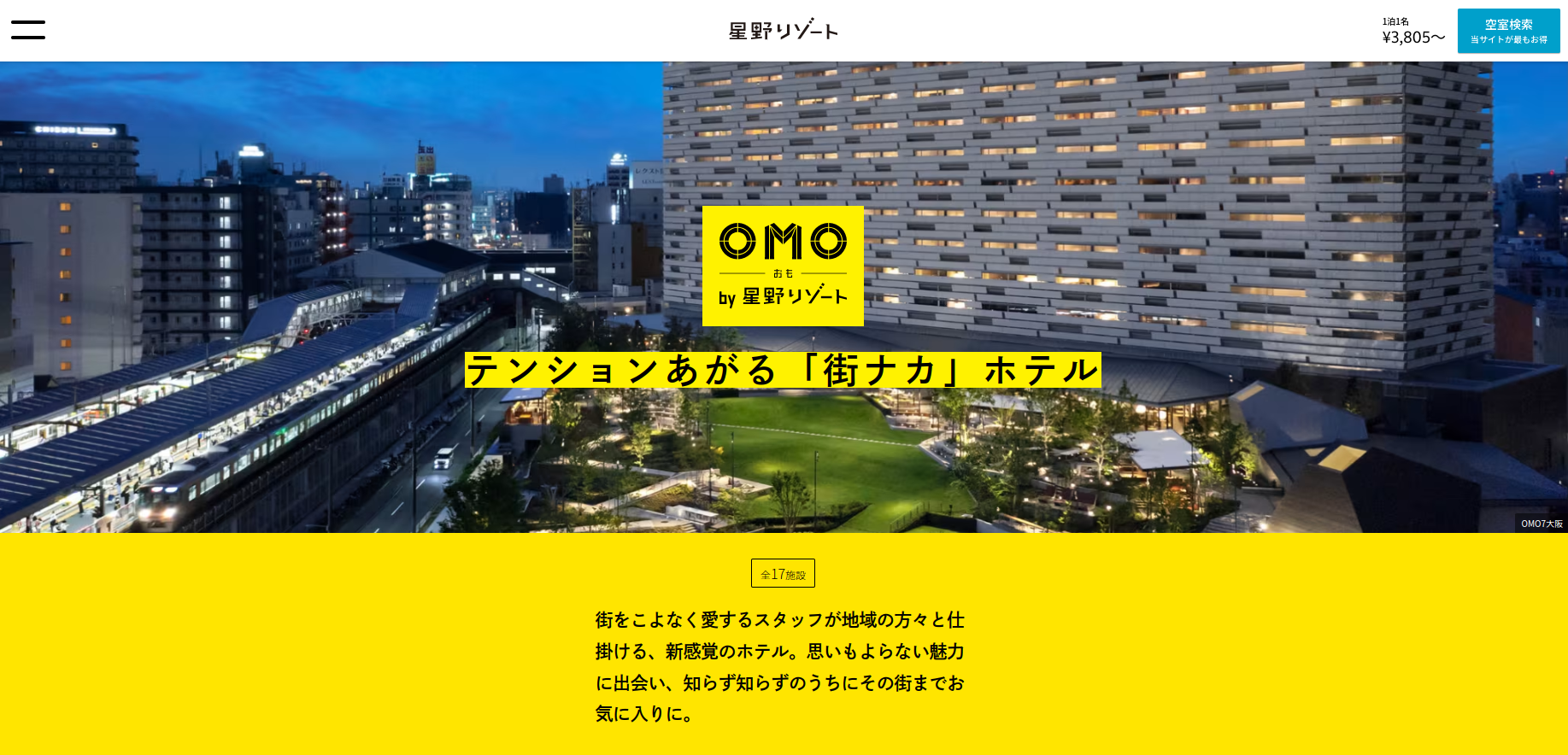
Here at OMO, every hotel is more than just a place to sleep. OMO aims to “increase the thrill of traveling”. OMO has created a model where the stay is only part of the experience. Imagine arriving at a hotel where you are greeted by a member of staff who knows the city like the back of their hand and is ready to take you on a tour of the best local spots, those that only connoisseurs usually visit. In addition, neighborhood maps are carefully designed on the walls to invite you to explore and discover. It's not just a hotel, it's a base for exploring local culture and immersing yourself in the best of each destination.↑
The main message on the website sums up their value proposition very well:
An exciting hotel “inside the city"
Marugame Seimen: The tradition that is modernizing
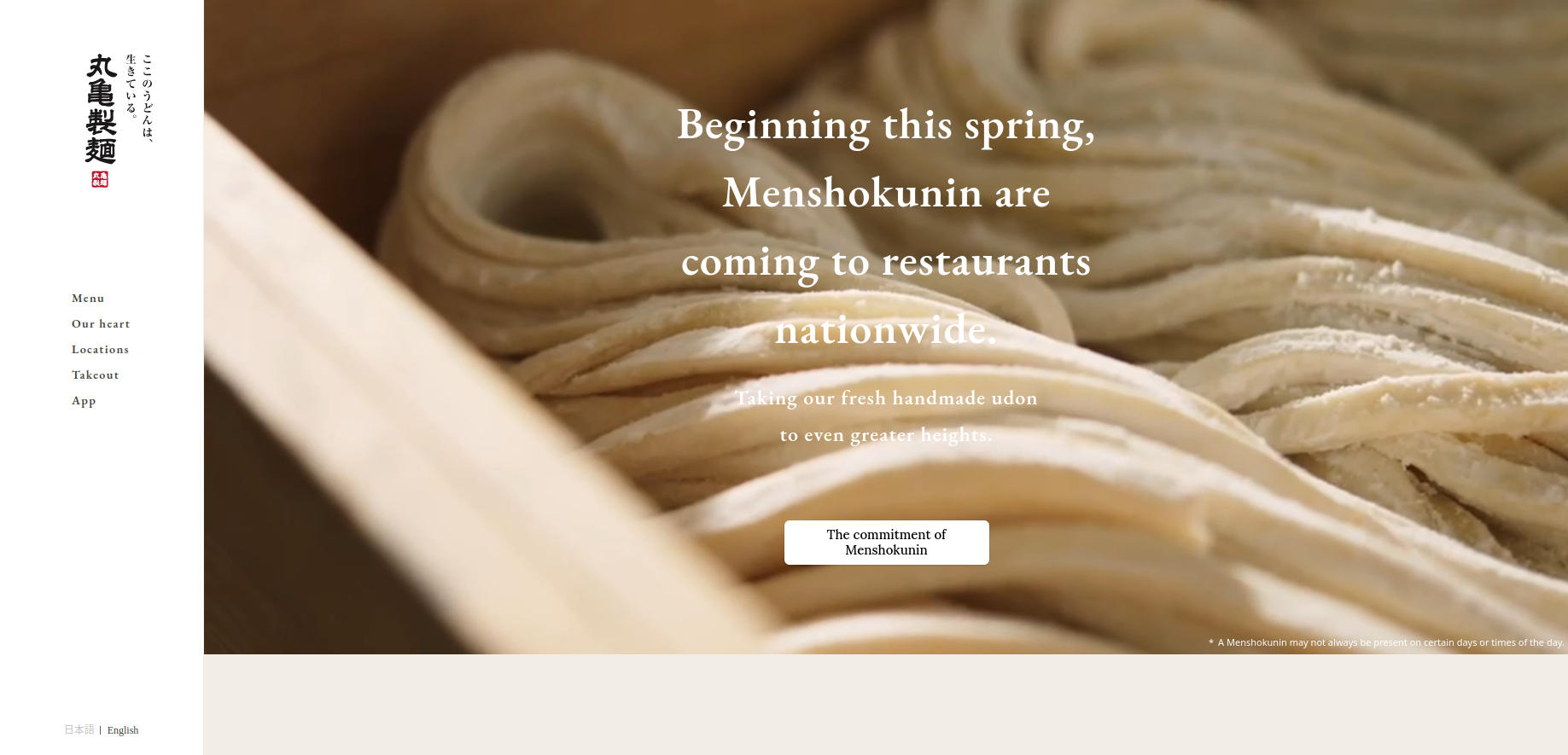
Marugame Seimen has perfected the art of making udon, but her real secret lies in how they have taken the culinary tradition to a new level with technology. Every customer not only enjoys a plate of fresh noodles, but is also part of a continuous improvement process. Marugame uses a data-driven approach to adjust and optimize every aspect of the customer experience, from the quality of the ingredients to the speed and cleanliness of the service. Their ongoing surveys not only focus on customer satisfaction but are also aligned with their internal quality standards. This allows them to quickly identify and correct problems, ensuring that each visit is as memorable as the first.
I loved this example, since I love cooking and it also matches the thinking we have at woku, about capturing every aspect of the customer experience. Perhaps when we arrive in Japan with woku, they will be one of the first companies we should visit. If you have time to visit the website, you'll see an inspiring video with a lot of tradition about how they make udon.
UNIQLO IQ: Customization at the click of a click*
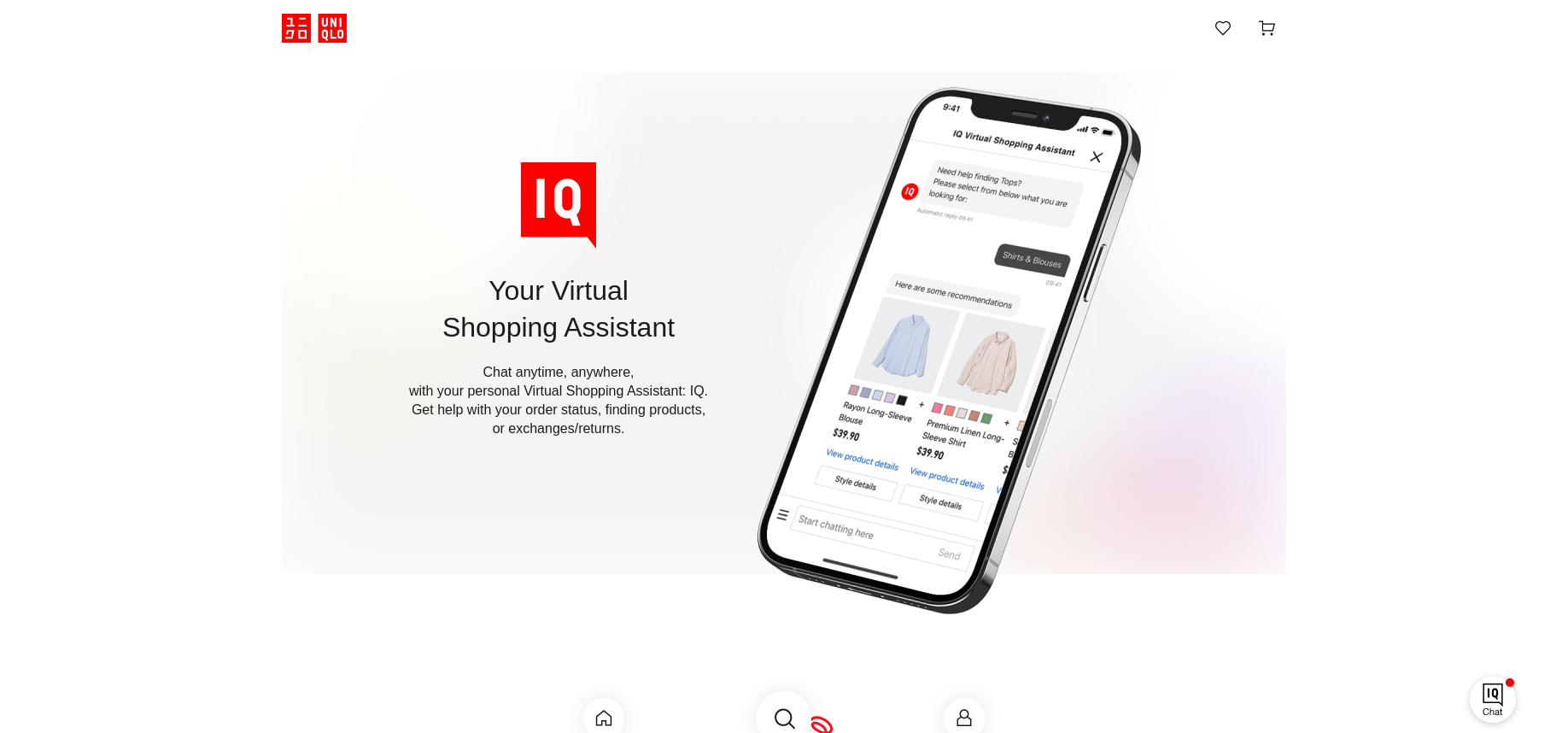
◆ UNIQLO has been able to adapt to the pace of modern life with its chatbot service, “UNIQLO IQ”. This virtual assistant doesn't just answer basic questions; it becomes a purchasing consultant who suggests products and combinations, all based on your needs and preferences. Whether you're looking for a new style or have questions about your order, “UNIQLO IQ” is there to help. In addition, its integration with the “StyleHint” platform allows users to seek inspiration through images, making the shopping experience visual and personalized. With this approach, UNIQLO has managed to make every customer feel cared for and understood, replicating the experience of having a personal fashion consultant in a physical store.
Workman: Community-Based Innovation↑
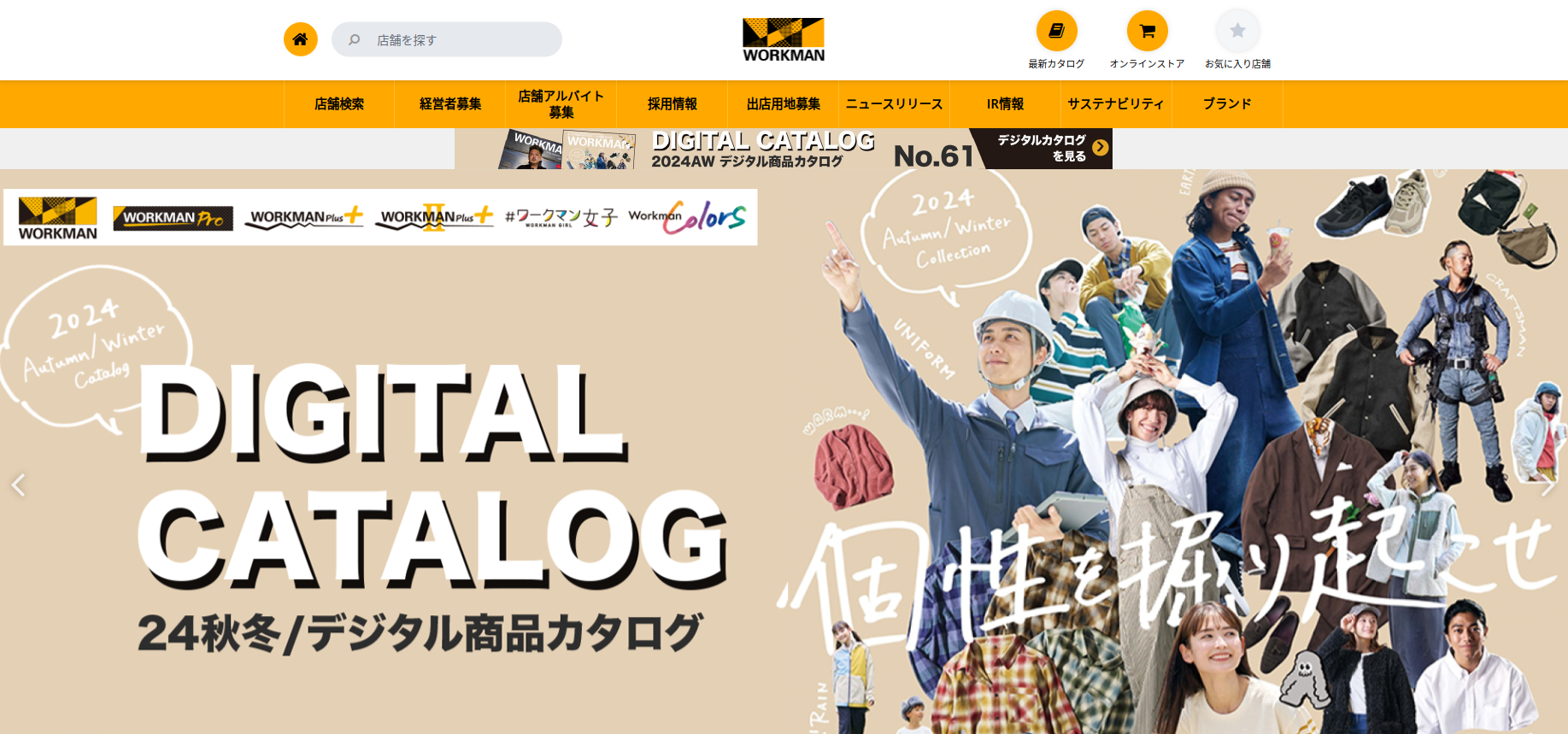
▲ Workman, originally known for its workwear, has been able to successfully expand to a wider audience, from women to casual fashionistas. How did they do it? Listening to your customers. Workman has appointed frequent users as official brand ambassadors, integrating their suggestions and opinions into everything from the store's design to the products they offer. Not only do these ambassadors bring fresh ideas, but they also help create a loyal community that feels connected to the brand. In doing so, Workman has transformed its image and attracted a new audience that previously did not identify with the brand. It's a perfect example of how collaborating with customers can lead to authentic and effective marketing.
Learning from the best
These examples of Japanese companies teach us that customer experience isn't just about offering a good product or service, but about creating an emotional connection with users. Whether through immersion in local culture, combining tradition with technology, personalization through artificial intelligence, or creating loyal communities, each of these companies has found unique ways to standout.
At woku, we believe that companies can grow if they build based on customer experience. Improving every interaction by listening to and meeting customer needs is the path to success. Building the muscle of business empathy is crucial in a world where companies compete based on customer experience.
References
- Transcosmos (2023). What is CX (CX)? . Retrieved from https://transcosmos-meta.jp/column/590/